Skip to content

Tagged reports

Online Relationships

Family Online Safety

Romance Scam Warning Signs Friends and Family May Notice

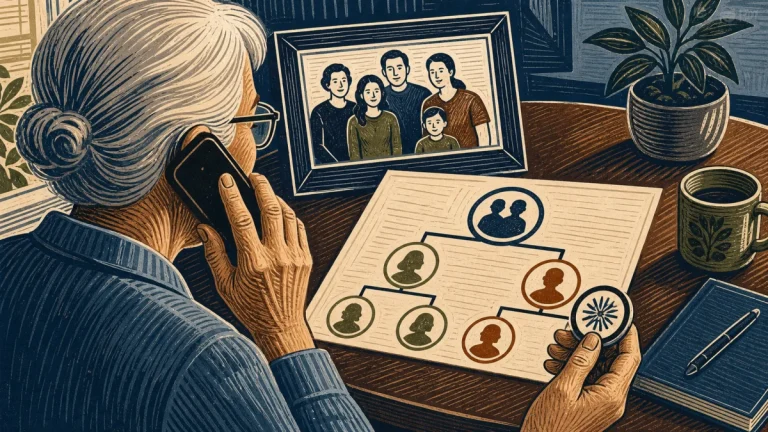
Friends and family should focus on observable patterns—an online-only identity, repeated crises, requests for money, secrecy, isolation, or investments—without mocking the relationship. Encourage a pause, independent identity checks, and a firm stop to payments. Compassion makes it more likely the…


6 min read
Family Online Safety

Charity Scams: How to Verify a Donation Request

Verify a charity through its official website and independent records before donating. Search the exact legal name, understand the program and tax status, and donate through a channel you reach yourself. Do not let disaster images, a familiar cause, caller…

6 min read
Family Online Safety

How to Protect Older Family Members From Phone Scams

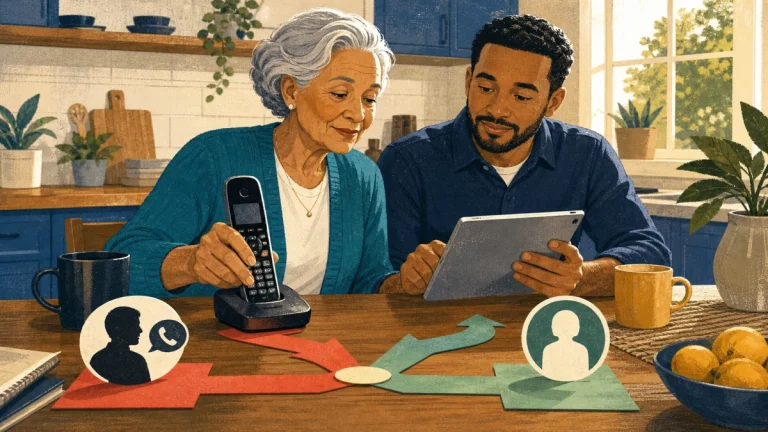
Protect older relatives with shared routines, not surveillance: agree that unexpected money, code, remote-access, or secrecy requests get a callback and second opinion. Configure call filtering and account alerts with permission, keep official numbers handy, and make it safe to…

6 min read
Family Online Safety

Online Safety Rules Every Family Should Discuss

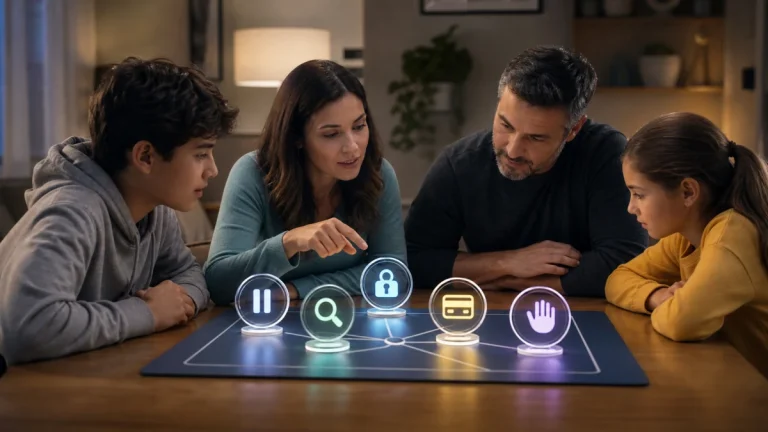
Every family should agree on a few durable rules: pause unexpected requests; never share passwords or one-time codes; verify money and emergency stories through another channel; ask before installing remote-access software; protect accounts with unique credentials and MFA; and tell…

6 min read
Family Online Safety

How to Teach Teenagers to Recognize Social Media Scams

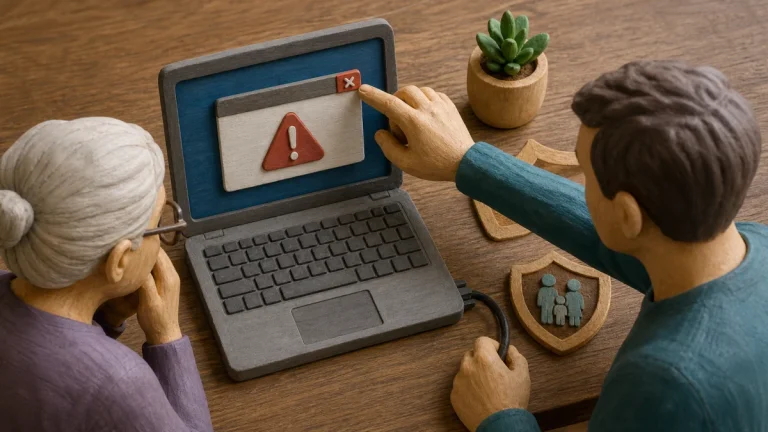
Teach teenagers to examine what a message wants—money, credentials, intimate material, account access, promotion, or secrecy—rather than judging only whether the profile looks real. Establish a no-punishment path for early help, verify giveaways and jobs independently, and use privacy, spending,…

6 min read