Skip to content

From the archive

Mpragans

Scam Alerts

Why Scammers Create a Sense of Urgency and How to Respond

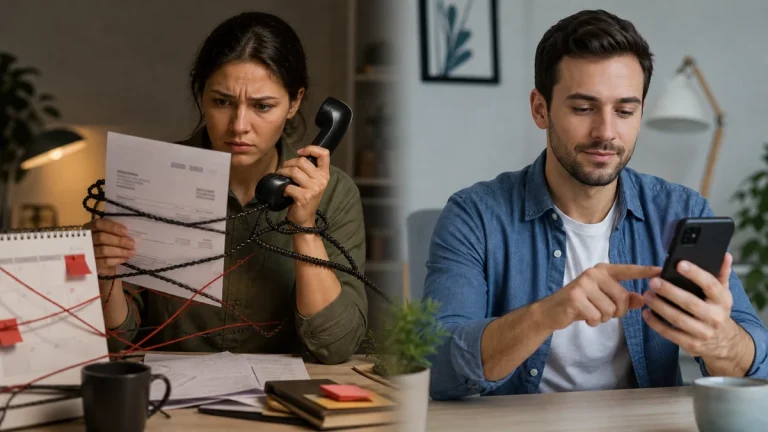
Scammers create urgency to shorten the time available for doubt, outside advice, and independent verification. The safest response is to stop the interaction, refuse the deadline, and verify the claim elsewhere. A real bank, employer, relative, agency, or merchant can…

6 min read
Scam Alerts

New Online Scam Warning Signs You Should Never Ignore

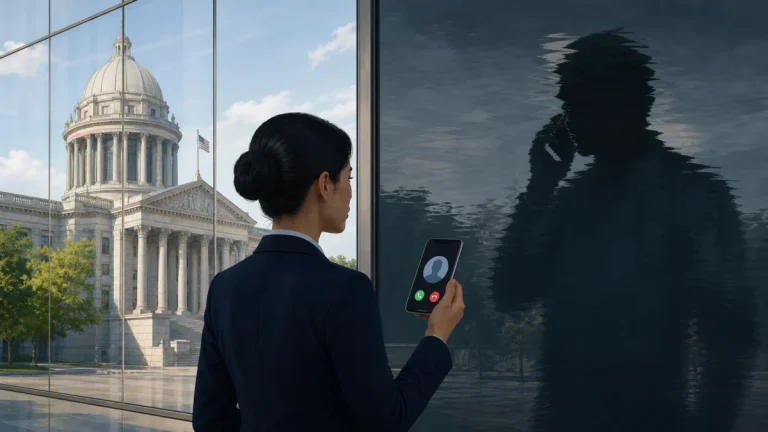
New scam stories change constantly, but the strongest warning signs are stable: unexpected contact, manufactured urgency, impersonation, unusual payment, secrecy, and a request to use the sender’s verification path. One odd detail is not proof; several risk signals around a…

6 min read
Scam Alerts

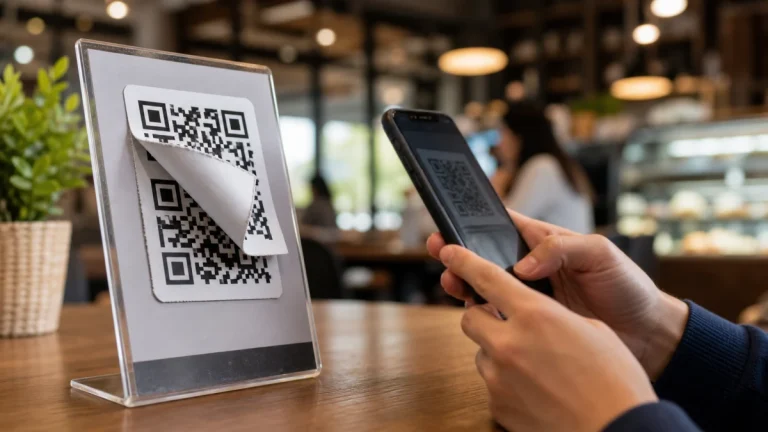
QR Code Scams Explained: How to Scan Codes More Safely

A QR code is only a compact way to open data—usually a link—and it is not trustworthy by itself. Inspect the physical code and preview the destination before opening it. For payments, logins, deliveries, or account problems, use the official…

6 min read
Scam Alerts

Fake Security Alerts on Your Browser: What to Do Next

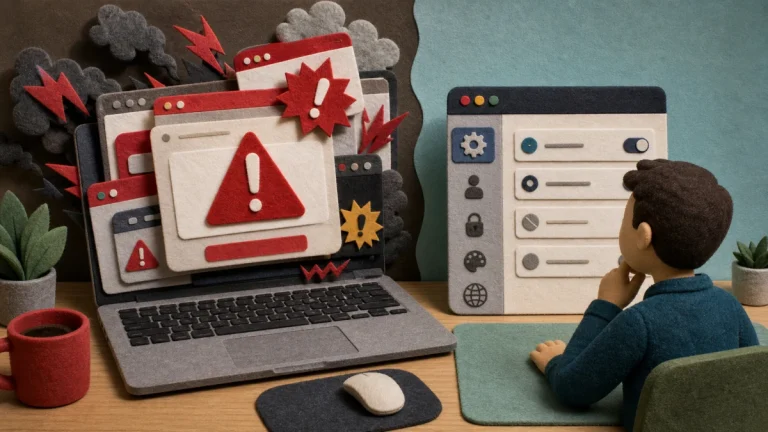
A web page cannot prove a device-wide infection merely by displaying a dramatic warning. Do not call the number, install its cleaner, or grant notification or remote-access permission. Close the tab or browser, then use the operating system’s trusted security…

6 min read
Scam Alerts

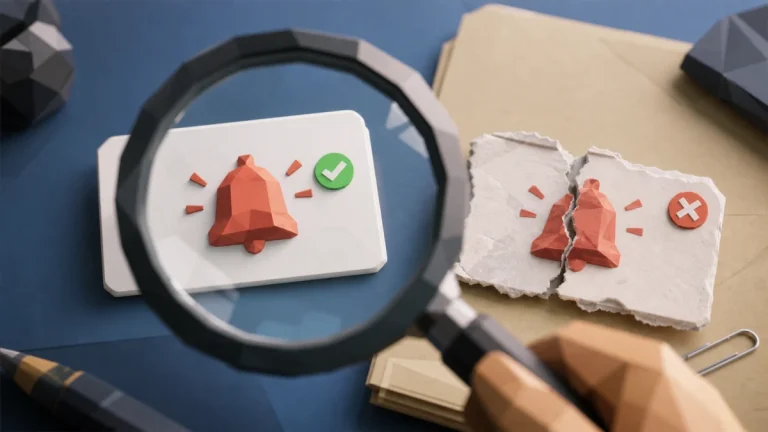
How to Check Whether a Scam Alert Is Real or Fake

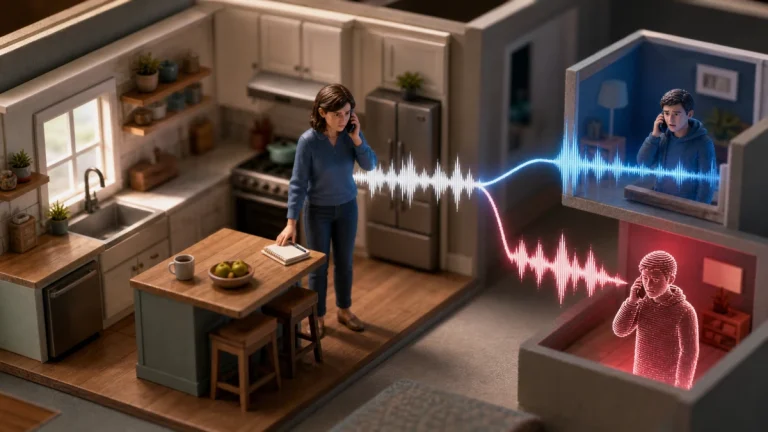
A scam alert is credible only after the claimed problem appears in the organization’s real app, account, or independently reached support channel. Do not trust the alert merely because it knows your name, uses a logo, or sounds urgent. Leave…

6 min read