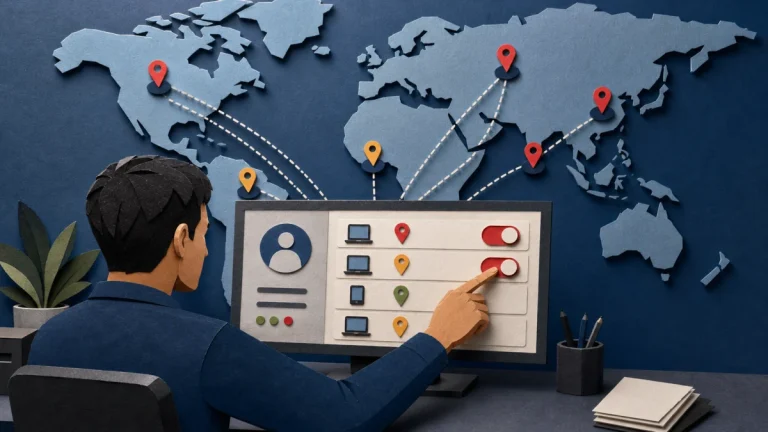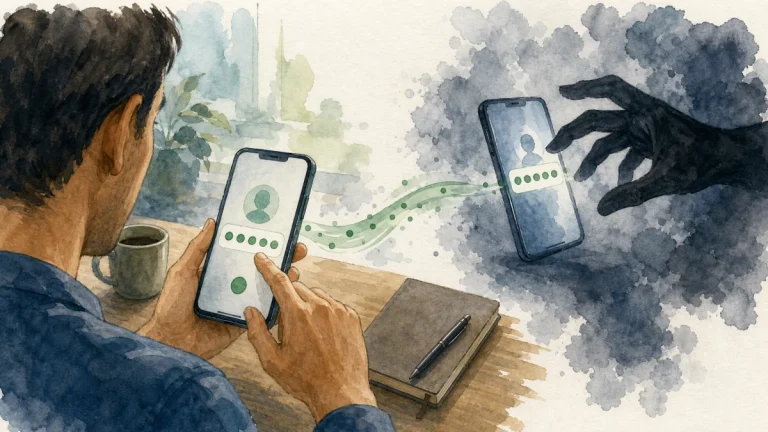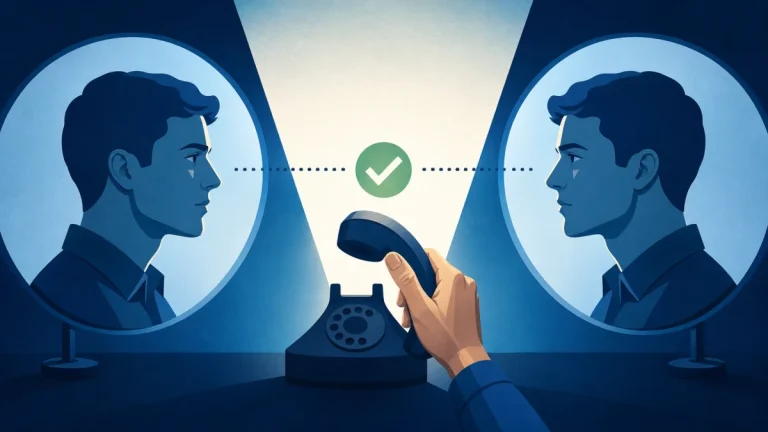
Scammers often move conversations off-platform to avoid automated warnings, moderation, transaction rules, report history, and purchase protection. A request to switch apps is not proof of fraud, but immediate pressure—especially before identity, goods, or payment are verified—should stop the transaction.
The practical objective is to separate the claim from the channel that delivered it. Keep the conversation and payment in the original service until you independently verify the person and understand what protection is lost by leaving. That pause preserves your options and prevents the sender from defining both the problem and the supposed solution.
Understand the underlying risk
Marketplaces, dating apps, and job sites retain context and may limit risky links or payments. On private text or encrypted messaging, the attacker can use a different identity, delete messages, introduce fake support, and claim the original platform no longer applies. In this context, a social account is both a target and a trust amplifier. Once stolen or imitated, it can be used to reach contacts, advertise scams, request codes, or move victims to channels with fewer platform protections.
For pressure to move a conversation off-platform, focus on authorization and evidence rather than confidence. A sender can copy appearance, learn personal details, or automate a conversation; the sender cannot make an unrelated account, independently listed contact, or official record confirm an event that never happened.
Red flags that matter most
When evaluating pressure to move a conversation off-platform, one clue may have an innocent explanation. Several clues surrounding a request for money, credentials, identity data, software, or secrecy create a much stronger reason to disengage.
- The person asks for WhatsApp, Telegram, text, or email in the first messages.
- A discount or special opportunity exists only if payment happens outside checkout.
- The contact says platform rules, fees, or identity checks are the reason to bypass the platform.
- A profile has inconsistent history, identity details, company affiliation, or communication style.
- The account sends messages, posts, follows, ads, or payment requests that the owner does not recognize.
- A moderator, recruiter, friend, or support agent asks for a password, login code, QR scan, token, or remote access.
A step-by-step authenticity check
Verification of pressure to move a conversation off-platform should create a new path that the original sender does not control. Work through the following sequence and stop as soon as the claim fails an independent check.
- Define the claim: Keep the conversation and payment in the original service until you independently verify the person and understand what protection is lost by leaving.
- Leave the supplied channel: Use the platform’s official app or a typed help-center address, not a recovery link sent by another user.
- Check the real record: Verify a contact through a different known channel before acting on a new account, number, or unusual request.
- Confirm with an authorized source: Review active sessions, recent security messages, connected applications, account details, and ad or payment activity.
- Record the outcome: For a recruiter, seller, or giveaway, check the organization’s official website and established account rather than the profile alone.
Do not let a verification call about pressure to move a conversation off-platform become a continuation of the suspicious conversation. Find contact details independently, explain only what is necessary, and never disclose a password or one-time code merely to ask whether a notice is real.
Build a broader safety plan
For pressure to move a conversation off-platform, the same evidence-based approach applies to nearby risks. Continue with the guides that match the next decision you face:
- A related control is explained in a deeper explanation of protect accounts with two-factor authentication, which can help prevent a follow-on attempt.
- Use What to Do When Your Facebook Account Is Hacked when the suspicious contact changes channel or asks for a different kind of proof.
- For the next layer of verification, see the practical guide to recover a compromised Instagram account before approving another request.
- If the event touches another account or payment, continue with these safety steps for identity theft warning signs.
How to respond without making the loss worse
Match the response to what actually happened during pressure to move a conversation off-platform. Opening a message, entering a password, installing software, sharing identity data, and sending money are different events and should not be treated as interchangeable.
- 1. Decline the move and report pressure that violates platform policy.
- 2. Capture both the original profile and off-platform identity if contact already moved.
- 3. Do not return to a link sent off-platform to “confirm” the original account.
- 4. Secure the connected email account first if it controls password resets, then change the social account password and end other sessions.
- 5. Remove unknown recovery methods and connected apps, and turn on multi-factor authentication with saved backup options.
- 6. Warn contacts through another channel if the account sent scam messages, and review ads or payments for unauthorized activity.
Move quickly after pressure to move a conversation off-platform, but avoid anyone who appears after the incident and guarantees recovery. Official providers may investigate or attempt a reversal; they cannot honestly promise that money, media, or account access will always be restored.
Build a durable safety routine
- Treat platform records as part of the safety system, not merely a communication inconvenience.
- Limit unnecessary third-party app access and review connected services periodically.
- Treat verification codes and QR login approvals like passwords: they authorize access and should not be shared.
- Use a unique password or passkey, stronger multi-factor authentication, and login alerts.
Prevention around pressure to move a conversation off-platform is strongest when it reduces the number of decisions made under pressure. Bookmarks, saved official contacts, unique credentials, account alerts, and a trusted second person turn an urgent story into a routine check.
What to do now
- ☐ Stop using the sender’s link, number, QR code, payment route, or download.
- ☐ Keep the conversation and payment in the original service until you independently verify the person and understand what protection is lost by leaving.
- ☐ Decline the move and report pressure that violates platform policy.
- ☐ Save the original message and a short timeline before blocking or deleting it.
- ☐ Treat platform records as part of the safety system, not merely a communication inconvenience.
Frequently asked questions
Is the contact safe if it uses HTTPS or a verified-looking profile?
No. In the case of pressure to move a conversation off-platform, design, caller ID, fluent writing, profile badges, screenshots, and personal details can be copied, spoofed, stolen, or generated. Confirm the underlying event and authority through an independently reached source.
What is the safest first move?
Keep the conversation and payment in the original service until you independently verify the person and understand what protection is lost by leaving. Do not use a destination supplied by the contact you are trying to authenticate.
Who should I contact after money or account access is involved?
Decline the move and report pressure that violates platform policy. Capture both the original profile and off-platform identity if contact already moved. The exact response depends on whether money, credentials, identity data, or device access was involved.
Can I guarantee recovery by acting immediately?
No single clue about pressure to move a conversation off-platform is conclusive, and no response guarantees recovery. Evaluate the full request, preserve evidence, and use official providers and reporting channels rather than an unsolicited recovery agent.