A Discord moderator or support process should not require your password, token, payment, or a QR login scan sent by another user. Do not open free-gift links or files from unexpected messages. Use Discord’s official app, safety pages, and support site, and enable multi-factor authentication.
The practical objective is to separate the claim from the channel that delivered it. Verify staff roles within the established server, inspect official announcements independently, and never use Discord’s login QR scanner on a code supplied for a reward. That pause preserves your options and prevents the sender from defining both the problem and the supposed solution.
Why this approach can be convincing
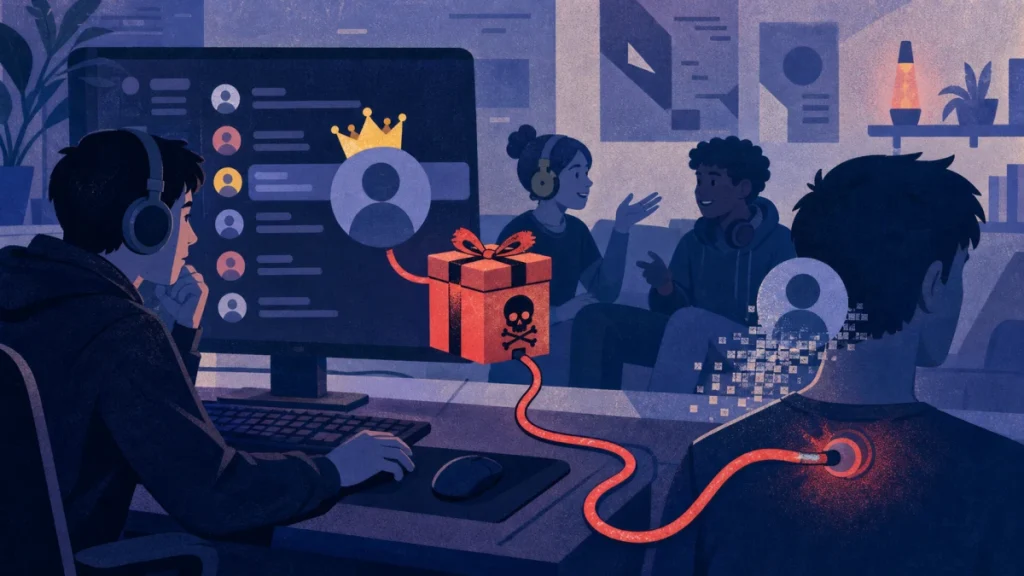
A social account is both a target and a trust amplifier. Once stolen or imitated, it can be used to reach contacts, advertise scams, request codes, or move victims to channels with fewer platform protections. Scams imitate staff, server moderators, friends, game developers, or free Nitro offers. A QR code can authorize a login rather than redeem a gift, and a downloaded “test build” or game may steal the session token. A compromised friend’s account can make the lure seem familiar.
For a Discord moderator, gift, QR code, or account warning, focus on authorization and evidence rather than confidence. A sender can copy appearance, learn personal details, or automate a conversation; the sender cannot make an unrelated account, independently listed contact, or official record confirm an event that never happened.
Clues that justify a pause
When evaluating a Discord moderator, gift, QR code, or account warning, one clue may have an innocent explanation. Several clues surrounding a request for money, credentials, identity data, software, or secrecy create a much stronger reason to disengage.
- A direct message claims your account was reported and must be reviewed by another user.
- A free gift requires login on a lookalike domain, QR scan, or downloaded executable.
- A moderator requests a token, password, code, payment, or screen share.
- The conversation is pushed immediately to a private messaging app, personal email, or external form.
- A giveaway, job, verification, copyright complaint, or free upgrade creates urgency around an unfamiliar link.
- Recovery details, connected apps, sessions, or two-factor settings changed without the owner’s approval.
A safer verification sequence
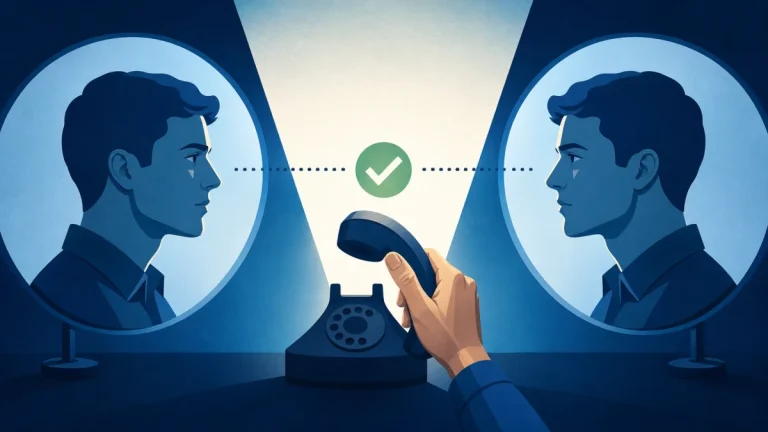
Verification of a Discord moderator, gift, QR code, or account warning should create a new path that the original sender does not control. Work through the following sequence and stop as soon as the claim fails an independent check.
- Define the claim: Verify staff roles within the established server, inspect official announcements independently, and never use Discord’s login QR scanner on a code supplied for a reward.
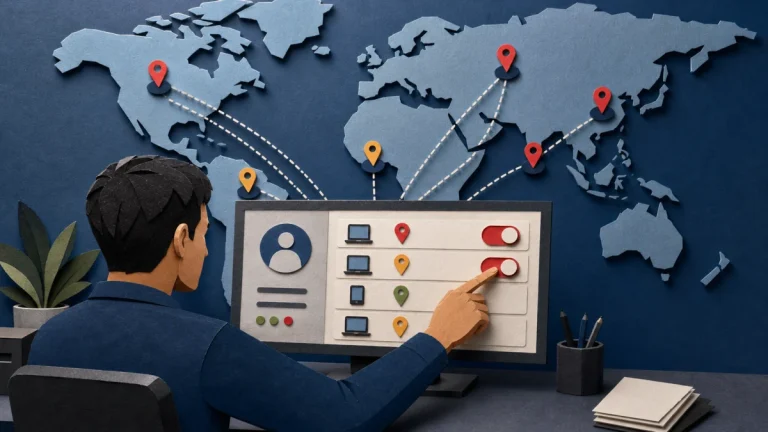
- Leave the supplied channel: Review active sessions, recent security messages, connected applications, account details, and ad or payment activity.
- Check the real record: For a recruiter, seller, or giveaway, check the organization’s official website and established account rather than the profile alone.
- Confirm with an authorized source: Keep the conversation on-platform until identity, terms, and payment protection have been independently confirmed.
- Record the outcome: Use the platform’s official app or a typed help-center address, not a recovery link sent by another user.
Do not let a verification call about a Discord moderator, gift, QR code, or account warning become a continuation of the suspicious conversation. Find contact details independently, explain only what is necessary, and never disclose a password or one-time code merely to ask whether a notice is real.
Build a broader safety plan
For a Discord moderator, gift, QR code, or account warning, this incident rarely exists in isolation. The following related checks close common paths a scammer may try next:
- Use the practical guide to LinkedIn job scam recruiter verification when the suspicious contact changes channel or asks for a different kind of proof.
- For the next layer of verification, see these safety steps for fake social media giveaway before approving another request.
- If the event touches another account or payment, continue with the related why scammers move conversations off platform checklist.
- A related control is explained in a deeper explanation of identity theft warning signs, which can help prevent a follow-on attempt.
Contain the damage and regain control
Match the response to what actually happened during a Discord moderator, gift, QR code, or account warning. Opening a message, entering a password, installing software, sharing identity data, and sending money are different events and should not be treated as interchangeable.
- 1. Change the password immediately after a suspicious QR approval to invalidate sessions.
- 2. Remove malicious files, scan the device, and review authorized apps.
- 3. Report the user, message, and fraudulent server or link to Discord.
- 4. Warn contacts through another channel if the account sent scam messages, and review ads or payments for unauthorized activity.
- 5. Report and block the impersonating profile, message, job, listing, or giveaway with the platform’s own controls.
- 6. Start the platform’s official hacked-account or recovery flow from a familiar device when possible.
Move quickly after a Discord moderator, gift, QR code, or account warning, but avoid anyone who appears after the incident and guarantees recovery. Official providers may investigate or attempt a reversal; they cannot honestly promise that money, media, or account access will always be restored.
Prevention that fits this risk
- Disable unsolicited server direct messages where practical and verify gifts inside official account inventory.
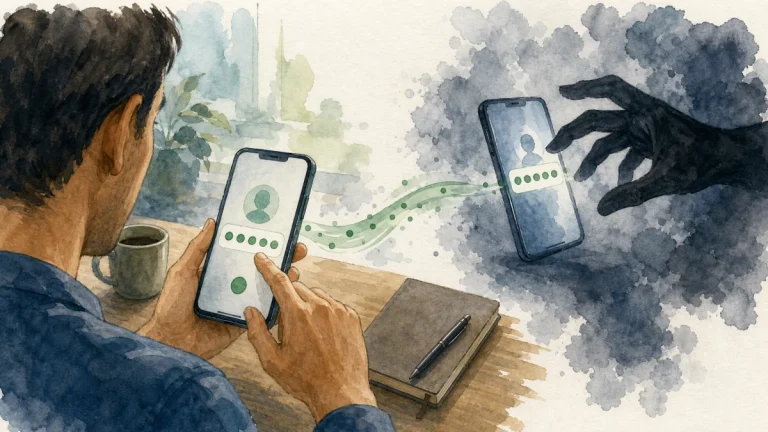
- Treat verification codes and QR login approvals like passwords: they authorize access and should not be shared.
- Use a unique password or passkey, stronger multi-factor authentication, and login alerts.
- Keep recovery contact information current and store backup codes somewhere separate from the device.
Prevention around a Discord moderator, gift, QR code, or account warning is strongest when it reduces the number of decisions made under pressure. Bookmarks, saved official contacts, unique credentials, account alerts, and a trusted second person turn an urgent story into a routine check.
What to do now
- ☐ Stop using the sender’s link, number, QR code, payment route, or download.
- ☐ Verify staff roles within the established server, inspect official announcements independently, and never use Discord’s login QR scanner on a code supplied for a reward.
- ☐ Change the password immediately after a suspicious QR approval to invalidate sessions.
- ☐ Save the original message and a short timeline before blocking or deleting it.
- ☐ Disable unsolicited server direct messages where practical and verify gifts inside official account inventory.
Frequently asked questions
Can a professional-looking message still be fraudulent?
No. In the case of a Discord moderator, gift, QR code, or account warning, design, caller ID, fluent writing, profile badges, screenshots, and personal details can be copied, spoofed, stolen, or generated. Confirm the underlying event and authority through an independently reached source.
Should I reply before I verify it?
Verify staff roles within the established server, inspect official announcements independently, and never use Discord’s login QR scanner on a code supplied for a reward. Do not use a destination supplied by the contact you are trying to authenticate.
What if I already followed part of the request?
Change the password immediately after a suspicious QR approval to invalidate sessions. Remove malicious files, scan the device, and review authorized apps. The exact response depends on whether money, credentials, identity data, or device access was involved.
Is one warning sign enough to prove a scam?
No single clue about a Discord moderator, gift, QR code, or account warning is conclusive, and no response guarantees recovery. Evaluate the full request, preserve evidence, and use official providers and reporting channels rather than an unsolicited recovery agent.