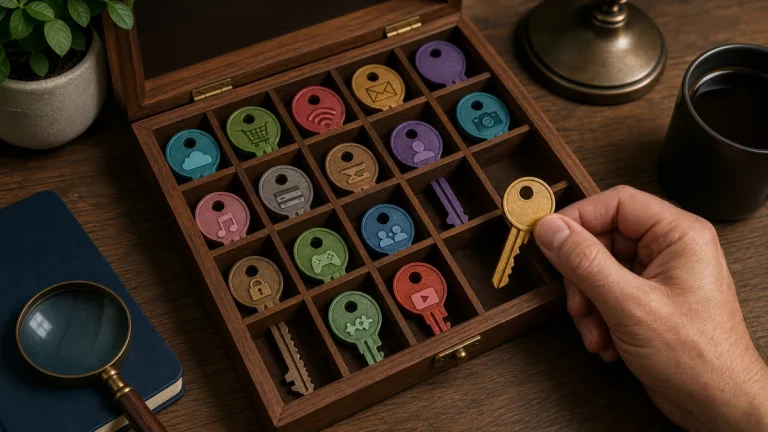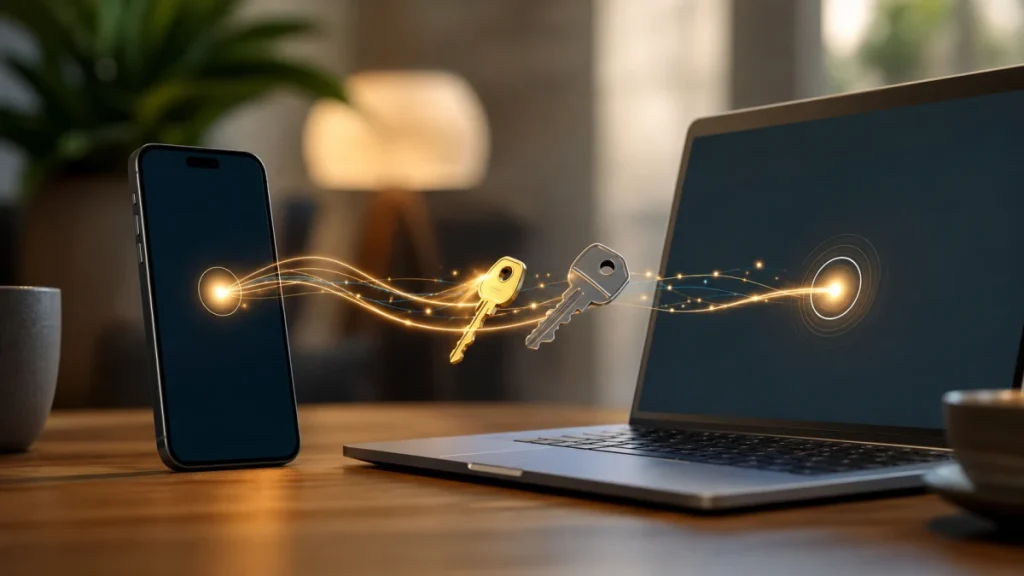
Passkeys are generally safer than passwords against phishing because sign-in uses a cryptographic credential tied to the real service rather than a reusable secret you type into a page. They can be synced or device-bound. Security still depends on protecting devices, the passkey provider, and account-recovery paths.
The practical objective is to separate the claim from the channel that delivered it. Enable passkeys from the real account settings, understand where they are stored and synced, add a safe recovery method, and remove old weak sign-in paths when the service allows. That pause preserves your options and prevents the sender from defining both the problem and the supposed solution.
How the situation develops
Identity harm depends on which data was exposed and how it can be used. A phone number, password, Social Security number, photo ID, and payment account call for different controls, so response should be specific rather than driven by panic. A passkey creates a private key kept by the user’s device or credential provider and a public key for the service. A lookalike site cannot simply collect and replay it as a password. Device unlock—such as a PIN or biometric—authorizes use but is not sent to the website as the passkey secret.
For using passkeys instead of passwords, focus on authorization and evidence rather than confidence. A sender can copy appearance, learn personal details, or automate a conversation; the sender cannot make an unrelated account, independently listed contact, or official record confirm an event that never happened.
Warning signs worth investigating
When evaluating using passkeys instead of passwords, one clue may have an innocent explanation. Several clues surrounding a request for money, credentials, identity data, software, or secrecy create a much stronger reason to disengage.
- A message directs you to create or “verify” a passkey on an unfamiliar domain.
- All passkeys and recovery options depend on one device with no tested backup.
- A weak password remains an easy recovery or fallback route after passkey setup.
- A service asks for more identity data than the transaction seems to require or uses an unverified upload channel.
- A removal, monitoring, or recovery company promises complete prevention or guaranteed cleanup for an urgent fee.
- Statements show accounts, withdrawals, purchases, loans, benefits, tax activity, or address changes you do not recognize.
Verify the claim without following its instructions
Verification of using passkeys instead of passwords should create a new path that the original sender does not control. Work through the following sequence and stop as soon as the claim fails an independent check.
- Define the claim: Enable passkeys from the real account settings, understand where they are stored and synced, add a safe recovery method, and remove old weak sign-in paths when the service allows.
- Leave the supplied channel: Review bank and card statements, important online-account activity, and credit reports for events you did not authorize.
- Check the real record: Check recovery email addresses, phone numbers, devices, sessions, and forwarding rules on the email account that controls other accounts.
- Confirm with an authorized source: Use IdentityTheft.gov for a response plan tailored to the information misused or exposed.
- Record the outcome: Ask why an ID or Social Security number is needed, how it will be protected, and whether a less sensitive alternative is accepted.
Do not let a verification call about using passkeys instead of passwords become a continuation of the suspicious conversation. Find contact details independently, explain only what is necessary, and never disclose a password or one-time code merely to ask whether a notice is real.
Build a broader safety plan
For using passkeys instead of passwords, once the immediate question is resolved, use these connected guides to reduce follow-on account, payment, or identity risk:
- If the event touches another account or payment, continue with Identity Theft Warning Signs You Should Investigate Quickly.
- A related control is explained in the practical guide to freeze credit after identity theft, which can help prevent a follow-on attempt.
- Use these safety steps for what scammers learn from a phone number when the suspicious contact changes channel or asks for a different kind of proof.
- For the next layer of verification, see the related protect older family members from phone scams checklist before approving another request.
What to do if you already interacted
Match the response to what actually happened during using passkeys instead of passwords. Opening a message, entering a password, installing software, sharing identity data, and sending money are different events and should not be treated as interchangeable.
- 1. Revoke a lost device or provider session promptly.
- 2. Review each service’s recovery and passkey list after changing ecosystems.
- 3. Keep device screen locks, provider accounts, and software updated.
- 4. Report unauthorized activity to each affected institution and keep case numbers, letters, and a dated action log.
- 5. Replace reused passwords, enable stronger authentication, and remove unfamiliar devices or recovery methods.
- 6. Use IdentityTheft.gov and relevant official agencies for a documented recovery plan rather than an unsolicited recovery agent.
Move quickly after using passkeys instead of passwords, but avoid anyone who appears after the incident and guarantees recovery. Official providers may investigate or attempt a reversal; they cannot honestly promise that money, media, or account access will always be restored.
Make the next attempt less effective
- Treat passkey recovery as part of deployment, not something to discover after a phone is lost.
- Use unique passwords or passkeys, stronger multi-factor authentication, and a carrier account PIN.
- Review statements and free credit reports regularly instead of waiting for a monitoring alert.
- Keep an inventory of important accounts, recovery methods, and documents so a breach response is faster and more complete.
Prevention around using passkeys instead of passwords is strongest when it reduces the number of decisions made under pressure. Bookmarks, saved official contacts, unique credentials, account alerts, and a trusted second person turn an urgent story into a routine check.
What to do now
- ☐ Stop using the sender’s link, number, QR code, payment route, or download.
- ☐ Enable passkeys from the real account settings, understand where they are stored and synced, add a safe recovery method, and remove old weak sign-in paths when the service allows.
- ☐ Revoke a lost device or provider session promptly.
- ☐ Save the original message and a short timeline before blocking or deleting it.
- ☐ Treat passkey recovery as part of deployment, not something to discover after a phone is lost.
Frequently asked questions
Can accurate personal details authenticate the sender?
No. In the case of using passkeys instead of passwords, design, caller ID, fluent writing, profile badges, screenshots, and personal details can be copied, spoofed, stolen, or generated. Confirm the underlying event and authority through an independently reached source.
Why is a separate channel important?
Enable passkeys from the real account settings, understand where they are stored and synced, add a safe recovery method, and remove old weak sign-in paths when the service allows. Do not use a destination supplied by the contact you are trying to authenticate.
How quickly should I act after exposure?
Revoke a lost device or provider session promptly. Review each service’s recovery and passkey list after changing ecosystems. The exact response depends on whether money, credentials, identity data, or device access was involved.
Should I confront the suspected scammer?
No single clue about using passkeys instead of passwords is conclusive, and no response guarantees recovery. Evaluate the full request, preserve evidence, and use official providers and reporting channels rather than an unsolicited recovery agent.
This guide about using passkeys instead of passwords provides general educational information, not individualized financial or legal advice. Policies, reporting duties, dispute rights, and recovery options vary; use the official provider or a qualified professional for your situation.