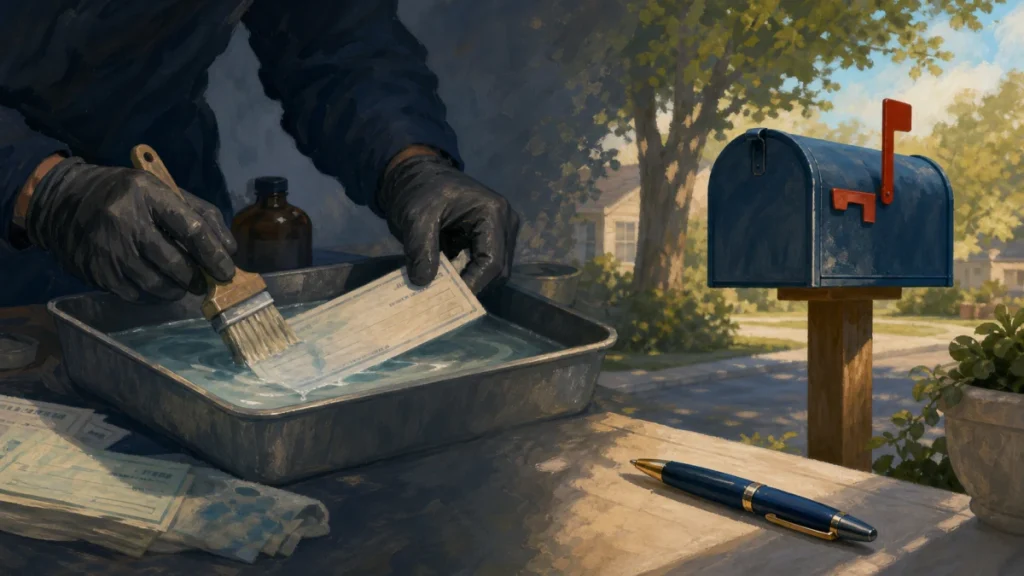
Reduce check-washing risk by limiting unattended mail, using secure postal collection, recording payee and amount, and monitoring the account until the check clears. When available and appropriate, use a secure electronic bill-pay method. An altered check may keep a real signature while changing the payee or amount.
The practical objective is to separate the claim from the channel that delivered it. Use a staffed post office or secure collection method for important payments, avoid leaving outgoing checks in an unlocked residential mailbox, and verify cleared images against your record. That pause preserves your options and prevents the sender from defining both the problem and the supposed solution.
How the scammer tries to control the decision
Fast payment systems are useful, but a payment the customer authorizes can be difficult to stop. Scammers therefore focus on manipulating the sender, faking confirmation, or creating a separate “refund” transaction. Mail theft gives a criminal a valid check and account information. Chemicals or other alteration methods can remove handwritten fields, and the check may then be rewritten or copied. Fast statement review matters because the customer and bank may need the original details to dispute the item.
For a mailed check that could be stolen or altered, focus on authorization and evidence rather than confidence. A sender can copy appearance, learn personal details, or automate a conversation; the sender cannot make an unrelated account, independently listed contact, or official record confirm an event that never happened.
Where the story stops adding up
When evaluating a mailed check that could be stolen or altered, one clue may have an innocent explanation. Several clues surrounding a request for money, credentials, identity data, software, or secrecy create a much stronger reason to disengage.
- A mailed payment never reaches the intended recipient.
- The cleared check image shows a different payee, amount, handwriting, or endorsement.
- Unexpected checks or debits appear after a checkbook or mail was stolen.
- A screenshot, email, or caller claims money moved, but the transaction is absent from the official account.
- Someone asks you to return an overpayment with a new transfer instead of using the platform’s supported resolution process.
- The request involves a verification code, remote access, a “safe account,” gift cards, crypto, or a test transaction.
Use a separate channel to establish the facts
Verification of a mailed check that could be stolen or altered should create a new path that the original sender does not control. Work through the following sequence and stop as soon as the claim fails an independent check.
- Define the claim: Use a staffed post office or secure collection method for important payments, avoid leaving outgoing checks in an unlocked residential mailbox, and verify cleared images against your record.
- Leave the supplied channel: Pause when instructions change. A legitimate counterparty can tolerate independent verification and a short delay.
- Check the real record: Open the official banking or payment app and verify the transaction status there; do not rely on a notification or screenshot.
- Confirm with an authorized source: Confirm the recipient and instructions through a previously known channel, reading critical details back before sending.
- Record the outcome: For a business or investment, verify registration, legal name, and contact information through official regulator or company records.
Do not let a verification call about a mailed check that could be stolen or altered become a continuation of the suspicious conversation. Find contact details independently, explain only what is necessary, and never disclose a password or one-time code merely to ask whether a notice is real.
Build a broader safety plan
For a mailed check that could be stolen or altered, once the immediate question is resolved, use these connected guides to reduce follow-on account, payment, or identity risk:
- If the event touches another account or payment, continue with the related cryptocurrency recovery scam checklist.
- A related control is explained in a deeper explanation of verify social media investment claims, which can help prevent a follow-on attempt.
- Use Bank Fraud Alert Texts: How to Know Whether the Message Is Genuine when the suspicious contact changes channel or asks for a different kind of proof.
- For the next layer of verification, see the practical guide to verify an Amazon order scam before approving another request.
Act on the access, data, or payment involved
Match the response to what actually happened during a mailed check that could be stolen or altered. Opening a message, entering a password, installing software, sharing identity data, and sending money are different events and should not be treated as interchangeable.
- 1. Contact the bank immediately, identify the altered item, and follow its affidavit or dispute process.
- 2. Notify the intended payee without sending a replacement until the first check is addressed.
- 3. Report suspected mail theft to the U.S. Postal Inspection Service and preserve images and mailing details.
- 4. Contact the bank, card issuer, wire company, or payment platform immediately and say the transaction involved fraud or a scam.
- 5. Ask whether the transfer can be recalled, reversed, disputed, or flagged; no outcome is guaranteed, but speed matters.
- 6. Secure the payment account and connected email account, review sessions, and replace any exposed credentials.
Move quickly after a mailed check that could be stolen or altered, but avoid anyone who appears after the incident and guarantees recovery. Official providers may investigate or attempt a reversal; they cannot honestly promise that money, media, or account access will always be restored.
Reduce repeat and follow-on attempts
- Reconcile check images and account activity promptly instead of relying only on the check register.
- Use a credit card or protected checkout for unfamiliar sellers when appropriate instead of an irreversible person-to-person transfer.
- Verify changed wire instructions verbally with a known person at a known number.
- Treat recovery offers after a loss as a new risk, particularly when they request fees, wallet keys, or remote access.
Prevention around a mailed check that could be stolen or altered is strongest when it reduces the number of decisions made under pressure. Bookmarks, saved official contacts, unique credentials, account alerts, and a trusted second person turn an urgent story into a routine check.
What to do now
- ☐ Stop using the sender’s link, number, QR code, payment route, or download.
- ☐ Use a staffed post office or secure collection method for important payments, avoid leaving outgoing checks in an unlocked residential mailbox, and verify cleared images against your record.
- ☐ Contact the bank immediately, identify the altered item, and follow its affidavit or dispute process.
- ☐ Save the original message and a short timeline before blocking or deleting it.
- ☐ Reconcile check images and account activity promptly instead of relying only on the check register.
Frequently asked questions
Can accurate personal details authenticate the sender?
No. In the case of a mailed check that could be stolen or altered, design, caller ID, fluent writing, profile badges, screenshots, and personal details can be copied, spoofed, stolen, or generated. Confirm the underlying event and authority through an independently reached source.
Why is a separate channel important?
Use a staffed post office or secure collection method for important payments, avoid leaving outgoing checks in an unlocked residential mailbox, and verify cleared images against your record. Do not use a destination supplied by the contact you are trying to authenticate.
How quickly should I act after exposure?
Contact the bank immediately, identify the altered item, and follow its affidavit or dispute process. Notify the intended payee without sending a replacement until the first check is addressed. The exact response depends on whether money, credentials, identity data, or device access was involved.
Should I confront the suspected scammer?
No single clue about a mailed check that could be stolen or altered is conclusive, and no response guarantees recovery. Evaluate the full request, preserve evidence, and use official providers and reporting channels rather than an unsolicited recovery agent.
This guide about a mailed check that could be stolen or altered provides general educational information, not individualized financial or legal advice. Policies, reporting duties, dispute rights, and recovery options vary; use the official provider or a qualified professional for your situation.